


 By
By LAPTOP Memecoin Collapses 99.6% on Base Chain Launch
The Launch That Wasn’t

Hunter Biden’s Laptop memecoin (LAPTOP) dropped from $190 to under $4 within minutes of opening on Base on September 9, 2026. The token closed at $0.824, down 99.6% from its peak. Trading volume hit $24.55 million.
Onchain records show tokens had been distributed to market makers for a week before trading began. That’s the entire story. This wasn’t a launch. It was a scheduled exit.
The thesis: LAPTOP exemplifies the maturity of altcoin infrastructure married to complete market dysfunction. Base provided the launchpad liquidity. The tokenomics provided the rug.
What the Numbers Tell You
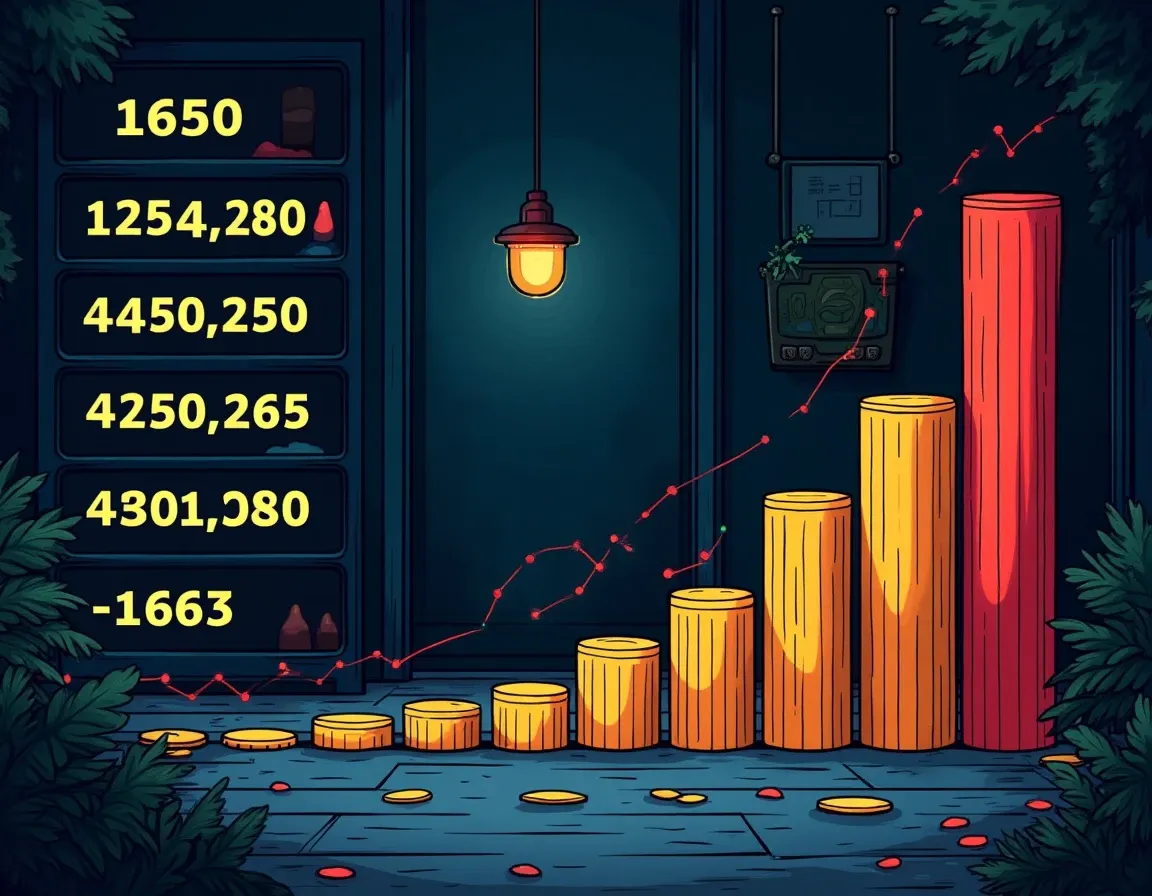
A 99.6% decline alongside $24.55 million in volume is not a failed token. It’s a successful extraction. When a token swings from $190 to $4 in minutes, someone sold at $190, someone else sold at $120, and retail bought at every price point in between.
Pre-distribution to market makers is standard practice in traditional finance when you’re preparing orderly market making. In equity IPOs, you allocate to underwriters who stabilize the book. Here, you allocated to addresses that dumped on open.
The volume confirms it. $24.55 million doesn’t move through a token with zero utility unless early holders are exiting into demand they created. The mechanics of meme coins depend on narrative-driven buying. LAPTOP had the narrative, the Base chain liquidity, and a week’s head start for insiders.
Why Base Makes This Worse

Base is a Layer 2 scaling solution backed by Coinbase. It offers low fees, fast settlement, and credibility by association. That credibility matters when you’re launching a token with no revenue model and a name ripped from a political scandal.
The infrastructure maturity of Base means anyone can spin up a token, seed liquidity, and route through established DEX protocols. The launchpad works. The governance doesn’t.
If you tried this in equities, the SEC would be measuring your cell. Pre-distribution without disclosure is material information. The retail buyers at $150 had no idea the supply was already in market-maker wallets. That’s not a risk disclosure failure. That’s fraud with a blockchain wrapper.
The Pattern Beyond LAPTOP
LAPTOP recorded the sharpest decline among listed tokens on September 10, but it wasn’t alone. Trending small-cap tokens like KNOTS and IOST posted triple-digit swings the same day. The altcoin segment remains liquidity-dependent and structurally volatile.
The real risk isn’t that memecoins exist. It’s that the infrastructure has professionalized faster than the oversight. Base provides the rails. DEXs provide the liquidity. What’s missing is the disclosure regime that would flag pre-distributed tokens before retail enters.
You see the same dynamic in token unlock events where announced supply and claimed supply diverge. The gap between what’s disclosed and what’s verifiable onchain is where the extraction happens.
What This Means for Memecoin Exposure
If you’re allocating to memecoins, you’re paying for lottery tickets. That’s fine if you price it correctly. What’s not fine is mistaking a rigged lottery for a fair one.
Check onchain distribution before you enter. Tools exist. Etherscan and Base’s block explorer let you track wallet concentrations and transfer history. If 40% of supply moved to three wallets a week before launch, you’re not early. You’re exit liquidity.
The income angle here is negative. LAPTOP offers no yield, no staking, no revenue share. The only path to profit was buying low and selling higher, and the pre-distributed tokens ensured retail was never buying low.
For those exploring memecoin momentum, the lesson is straightforward: volume and volatility create opportunities, but only if you’re not the last in. LAPTOP’s $24.55 million volume represented extraction, not discovery.
Regulatory Implications and What to Watch
The SEC has not historically treated memecoins as securities because they lack profit expectations tied to the efforts of others. That’s the Howey test. LAPTOP arguably fits the same mold, which means regulatory recourse is limited.
But pre-distribution to insiders ahead of a public launch starts to look like an unregistered offering. If the market-maker wallets were compensated, if there was a coordinated marketing push, if the founders retained control, you start checking boxes the SEC cares about.
Expect this to matter more as Layer 2 adoption scales. Base, Arbitrum, and Optimism are lowering the friction to launch. That’s good for experimentation. It’s disastrous for retail protection unless disclosure standards catch up.
The broader crypto market continues to mature in infrastructure while lagging in governance. LAPTOP is the result. Professional tooling, amateur ethics.
The Takeaway
LAPTOP’s collapse wasn’t a market failure. It was a feature. Pre-distributed tokens, Base’s professional infrastructure, and memecoin hype created the perfect conditions for a coordinated dump. If you’re trading memecoins, verify onchain distribution before entry, because launch day is often exit day for insiders. The path to earning here isn’t buying the narrative. It’s avoiding the pre-distributed traps that look like opportunities.
Frequently Asked Questions
What caused the LAPTOP memecoin to collapse 99.6% so quickly?
LAPTOP dropped from $190 to under $4 within minutes of its September 9, 2026 launch on Base because tokens had been pre-distributed to market makers a week before trading began. Those insiders sold into retail demand at peak prices, creating a coordinated dump rather than organic price discovery. The $24.55 million in trading volume represented extraction, not market stability.
How can I check if a new token has been pre-distributed to insiders?
Use blockchain explorers like Etherscan or Base’s block explorer to review wallet concentrations and transfer history before a token launches publicly. If a large percentage of total supply moved to a small number of wallets days or weeks before the official launch, those are likely insider or market-maker addresses positioned to sell into retail demand.
Are memecoins like LAPTOP considered securities by regulators?
Memecoins typically are not classified as securities under the Howey test because they lack profit expectations tied to the efforts of others. However, pre-distribution to insiders ahead of a public launch, especially with coordinated marketing, may start to resemble an unregistered securities offering. Regulatory treatment remains unclear, but the SEC has shown interest in cases involving undisclosed insider allocations.
What role did Base chain play in the LAPTOP token launch?
Base, a Layer 2 scaling solution backed by Coinbase, provided the low-fee, fast-settlement infrastructure that made launching LAPTOP technically seamless. The credibility associated with Base likely attracted retail buyers. However, the professional-grade infrastructure was paired with zero disclosure standards, enabling insiders to pre-distribute tokens and execute a coordinated exit without regulatory friction.
Is there any income opportunity in memecoins like LAPTOP?
LAPTOP offered no yield, staking, or revenue-sharing mechanism. The only potential profit path was speculative price appreciation, which required buying low and selling higher. Pre-distributed tokens ensured early insiders controlled supply and could exit at retail’s expense. For income-focused investors, memecoins without sustainable revenue models or transparent tokenomics present tail risk, not opportunity.