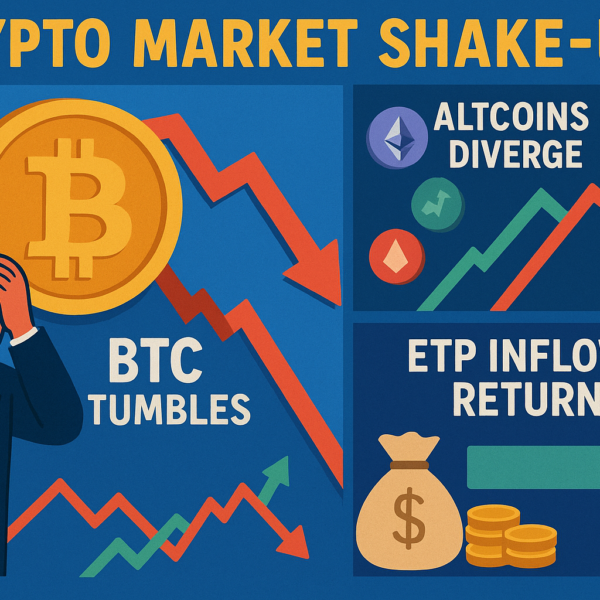


Bitcoin falls to 6-month low as ETF demand collapses: Finance Redefined
Bitcoin’s recent price slide may appear discouraging at first glance, but experienced contrarian investors are increasingly viewing this correction as fertile ground for future gains.
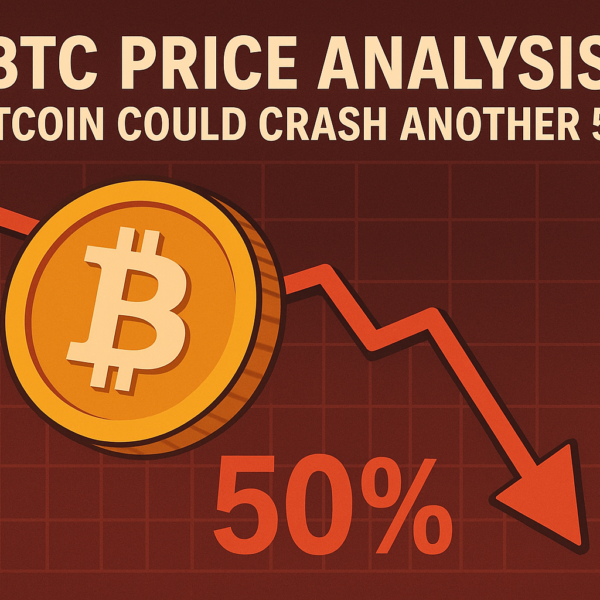
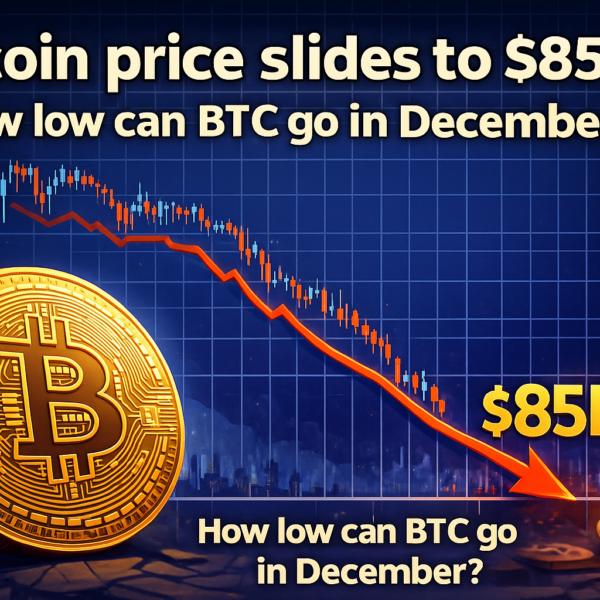
After hitting a six-month low and briefly dipping under $54,000, Bitcoin is facing scrutiny from both the media and skeptical investors. A combination of dwindling inflows into spot Bitcoin ETFs, fears of institutional sell-offs, and increased regulatory chatter has fed bearish sentiment. However, the true implications of this pullback require a deeper dive. For savvy traders and long-term believers, this isn’t the end of a crypto cycle—it’s the calm before the next uptrend.
The ETF Story: A Pause, Not a Rejection
Spot Bitcoin ETFs were hailed as a milestone for institutional crypto adoption, but fading momentum in recent weeks has triggered concern. June’s ETF outflows, which surpassed $1 billion, are being perceived by some as signs of waning institutional faith. However, such a viewpoint may overlook important macro and seasonal dynamics. Fund managers often rebalance portfolios at quarter-end, leading to temporary sell pressure unrelated to fundamental conviction. In fact, the very existence of these ETFs confirms lasting institutional trust.
Declining ETF inflows are more likely a short-term breeze than a structural headwind. Retail traders, family offices, and emerging funds that missed the Q1 rally—when Bitcoin surged to over $73,000—may now be eyeing fresh entry points. With prices now trading well below the psychologically and technically significant 200-day moving average, market watchers note this region has historically acted as fertile ground for re-accumulation and pre-bull market buildup.
Today’s Market Isn’t 2022 All Over Again
It’s tempting to compare current conditions to the pain witnessed during the 2022 crypto winter. But this time is different—and demonstrably so. Structural tailwinds are strongly reinforcing Bitcoin’s place in legacy finance. U.S.-listed spot ETFs from heavyweights like BlackRock and Fidelity have created regulated, insured gateways into Bitcoin. Corporate treasuries, too, are increasingly exploring Bitcoin as a store of value amid high inflation and low real yields in traditional assets.
Moreover, central banks around the world continue to expand money supply, weakening fiat currencies and reinforcing the appeal of fixed-supply alternatives like Bitcoin. As governments struggle to control inflation without triggering recessions, decentralized alternatives that offer programmable monetary policy become increasingly attractive to both individuals and institutions.
On-Chain Metrics Signal Long-Term Optimism
On-chain data paints a different picture than short-term price action suggests. Key indicators reveal that long-term holders are not only staying put—they’re strategically accumulating. Exchange outflows remain elevated, suggesting that coins are moving into cold wallets and long-term storage rather than being flipped for quick profits. The number of wallets classified as “accumulation addresses” is increasing steadily, highlighting a strong belief in future price growth.
At the same time, miner selling pressure has subsided post-halving, and the Bitcoin network remains fundamentally strong. Hash rate growth and secure decentralized consensus reflect global confidence in the system’s robustness. In other words, the underlying infrastructure supporting Bitcoin adoption is healthier than ever, even if price volatility masks that reality.
Macro Environment Still Favors Bitcoin
Macro factors continue to support Bitcoin’s bullish long-term outlook. Sticky inflation and persistent fiscal deficits in major economies have pushed central banks to keep interest rates higher for longer—yet real rates remain negative. This weakens traditional fixed-income investments and drives interest toward non-yielding, hard-money stores of value like gold and Bitcoin.
Geopolitical instability, including tension in Eastern Europe, the Middle East, and Asia, is also triggering increased interest in decentralized monetary options. In prior cycles, Bitcoin’s correlation with risky assets like tech stocks was a concern. But in recent months, correlations have weakened, suggesting that investors are increasingly treating Bitcoin as a distinct asset class deserving of portfolio allocation.
Extreme Fear Makes for Extreme Opportunity
Market mood, as captured by widely referenced tools like the Crypto Fear and Greed Index, currently resides in the “extreme fear” category. Historically, these zones have provided some of the best long-term buying opportunities in Bitcoin history. Warren Buffett’s famous line — “Be fearful when others are greedy, and greedy when others are fearful” — feels especially relevant now.
Technical indicators further corroborate the opportunity. Bitcoin’s recent correction has brought it into a critical Fibonacci retracement region between $52,000 and $54,000. If this level fails, support in the more significant $47,000 to $49,000 zone could act as a major re-entry point. Notably, the post-halving environment we’ve just entered typically ushers in a favorable period for bullish price action, often kicked off by a subdued shakeout like the current one.
Smart Strategies in a Contrarian Climate
- Implement laddered accumulation strategies by placing buy orders in strategic levels between $48K and $55K. This helps manage entry risk and creates a low cost basis for long-term holds.
- Keep an eye on ETF net flows. As sentiment shifts, a return to daily net inflows could swiftly reboot bullish momentum and act as an early signal of institutional reentry.
- Diversify through selective altcoin exposure. Historically, Bitcoin’s consolidation has preceded sharp rallies in Ethereum and other large-cap altcoins. Monitoring ETH/BTC and other cross-pairs can provide clues to rotation phases.
Access to quality on-chain analytics platforms and ETF tracking tools can give retail investors an edge previously reserved for hedge funds and large proprietary trading firms. While fear remains high on crypto Twitter and in the media, advanced data tells a very different story under the surface.
Long-Term Fundamentals Are Stronger Than Ever
As the digital asset industry matures, we’re witnessing increased regulation, improved infrastructure, institutional custody solutions, and broader adoption across geographies. Bitcoin’s role as a decentralized, censorship-resistant store of value is gaining credibility each cycle. Despite short-term volatility, investor conviction continues to build with every new wave of headlines and FUD.
Crucially, the Bitcoin network has survived and thrived across multiple boom-and-bust cycles. From Silk Road to Mt. Gox, from China mining bans to ETF rejections—the asset has not only endured, but emerged fundamentally stronger. Financial instruments like backed ETF products, lightning network protocols, and decentralized finance (DeFi) integrations are pushing Bitcoin into new use cases and broader demographics.
Conclusion: The Time to Act May Be Now
While the panic of the present moment dominates mainstream narratives, intelligent investors are looking beyond the next week or month. They are focusing on infrastructure, macroeconomic signals, and historical patterns—all of which suggest that current conditions closely resemble other pre-bull periods in Bitcoin’s history.
Yes, price action is uncertain. And yes, pessimism is widespread. But historically, these moments have proven to be the best times to build conviction-based positions. As ETF flows resume, institutional allocation increases, and the halving tailwinds kick in, Bitcoin has all the ingredients for another leg higher.
Bottom line? Bitcoin remains one of the most asymmetric bets available to investors today. For those able to weather short-term volatility and act with clarity when fear prevails, this could be one of the most lucrative entry points in another historic crypto cycle. Even amid noise and uncertainty, Bitcoin continues to stand as the defining trade of the digital era.