

 By
How To Evaluate New Curve Pool: USDC-RLUSD 72-Hour Framework
What You Will Accomplish And What You Need First
You will learn to vet a new Curve pool within 72 hours of its deployment using verifiable on-chain data, pool parameter analysis, and historical failure mode recognition. The goal is to determine whether a pool’s advertised yield reflects sustainable trading fees or temporary emissions that will evaporate the moment you deploy capital.
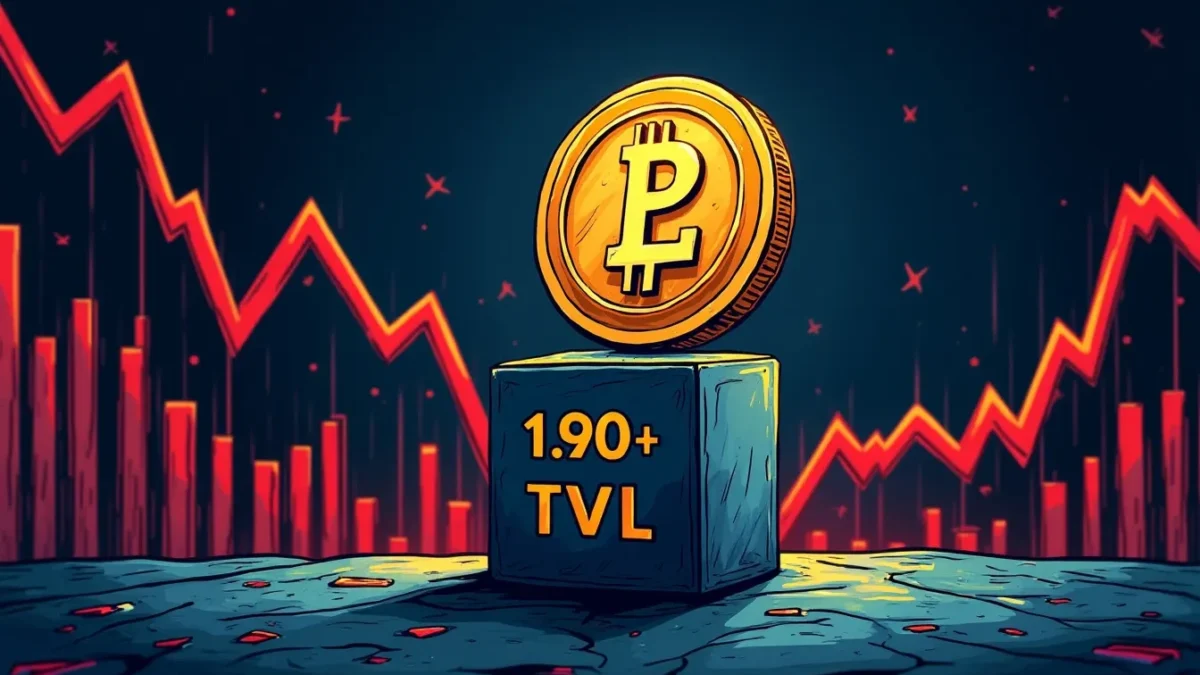
The USDC-RLUSD pool currently holds $61.3 million in liquidity and advertises 4.61% APY. RLUSD launched one year ago. That combination of novelty and apparent stability is precisely what attracts early liquidity, and precisely what requires systematic vetting before you allocate.
You need a funded wallet on Ethereum mainnet, access to Etherscan, and familiarity with basic stablecoin yield mechanics. The vetting framework applies to any new Curve pool, but the RLUSD case study demonstrates how to execute each step with real contract addresses and real parameter red flags.
Step One: Verify Token Contracts And Custody Before Pool Parameters
The first 24 hours of pool evaluation should focus on the underlying assets, not the pool itself. A Curve pool is only as safe as the weakest token it contains. If one token depegs or its contract contains an undisclosed admin key, the pool becomes a mechanism for converting your USDC into something worth substantially less.
Navigate to Etherscan and locate the RLUSD token contract. Verify that the contract is marked as verified, that the source code is publicly visible, and that the contract has been active for a meaningful duration. RLUSD launched in October 2024, making it one year old as of October 2025. That is not long by stablecoin standards. USDC launched in 2018. DAI in 2017. A one-year track record means you are still inside the window where structural flaws typically surface.
Check the RLUSD reserve attestation. As of October 1, 2026, Ripple’s transparency report showed $2,509.8 million in circulating supply against $2,633.8 million in reserves. The reserves consist of U.S. dollar deposits, short-term Treasury bills, and cash equivalents held in segregated accounts at BNY Mellon. That structure is materially similar to USDC’s custody arrangement, which is a point in favor of allocation. What matters is not the marketing language but the legal structure of custody and the frequency of third-party attestation.
Review whether the stablecoin issuer publishes monthly attestations and whether those attestations come from a recognized auditor. RLUSD does. That does not eliminate risk, but it creates a transparent failure mode. If the attestation stops appearing or if reserves fall below circulating supply, you have a leading indicator of structural stress. The eurozone discovered in 2011 that Greek sovereign debt carried undisclosed fiscal deficits. The market priced Greek bonds at par until the moment it did not. Transparency does not prevent failure, but it shortens the time between failure and disclosure.
Step Two: Assess Pool Liquidity Concentration And Balance
Once token contracts pass initial vetting, examine the pool’s liquidity composition. A balanced Curve pool should hold roughly equal values of each constituent token. Imbalance is an early warning that one token is experiencing selling pressure or that liquidity providers are skewing deposits toward the asset they believe will hold value.
The USDC-RLUSD pool currently holds approximately $32 million in USDC and $29.3 million in RLUSD. That is a 52% to 48% split, which falls within acceptable balance thresholds. A pool holding 70% of one token and 30% of the other signals that the market does not view the two assets as equivalent in risk, regardless of what their respective issuers claim about collateralization.
Liquidity concentration matters because Curve’s StableSwap invariant assumes that the assets being swapped trade close to parity. The amplification coefficient, represented as the A parameter, controls how tightly the bonding curve hugs the 1:1 price line. A higher A parameter produces lower slippage for swaps near parity but creates catastrophic losses for liquidity providers if one token depegs. You are being paid to provide liquidity under the assumption that USDC and RLUSD will continue trading at $1.00. If that assumption breaks, the pool becomes a mechanism for converting your USDC into depegged RLUSD at a rate that heavily favors the party selling RLUSD.
Monitor the pool balance daily for the first week after you allocate. A shift from 50-50 to 60-40 over three days is not volatility. It is the market expressing a preference for one asset over the other, and you should treat it as such.
Step Three: Identify The Actual Source Of Yield
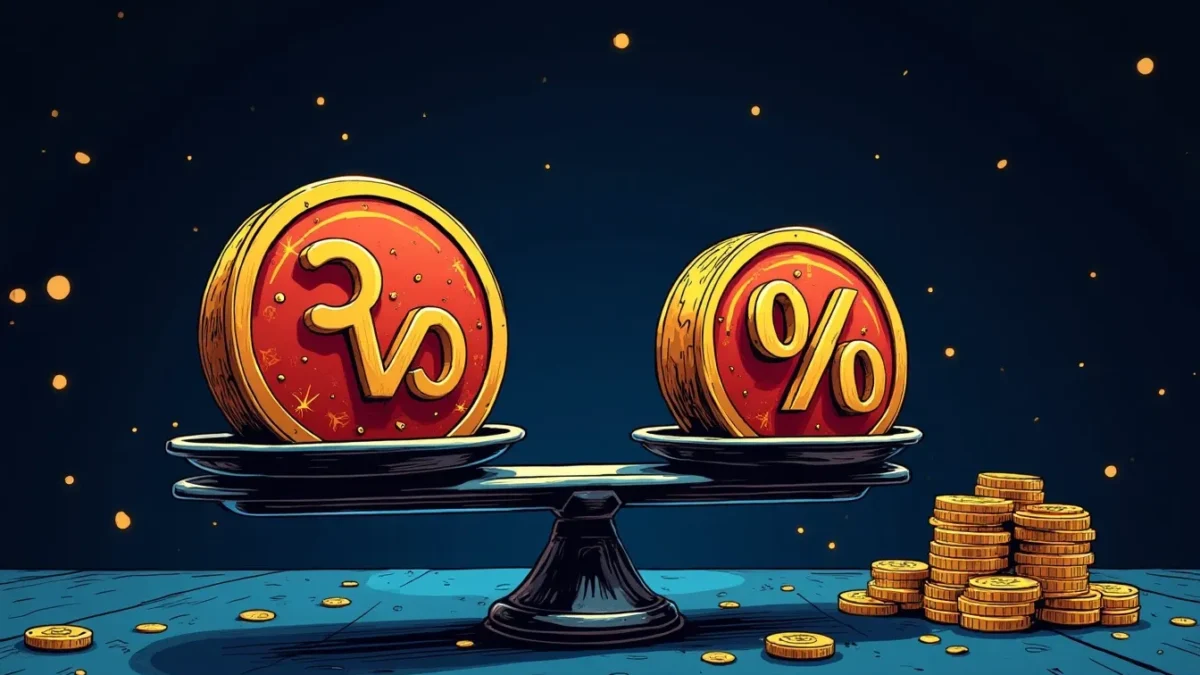
The advertised 4.61% APY on the USDC-RLUSD pool can come from three sources: trading fees, CRV token emissions, or partner protocol incentives. The distinction is not semantic. It determines whether the yield you see today will still be available in three months.
Curve pools charge a swap fee that ranges from 0.04% for stable pairs to 0.4% for volatile pairs. That fee is split between liquidity providers and holders of vote-escrowed CRV. If the pool generates meaningful organic trading volume, the fee component of APY should be stable or grow with volume. If the APY comes primarily from CRV emissions or external incentives, you are being paid in tokens that face constant sell pressure from other LPs who are also receiving those tokens and converting them immediately.
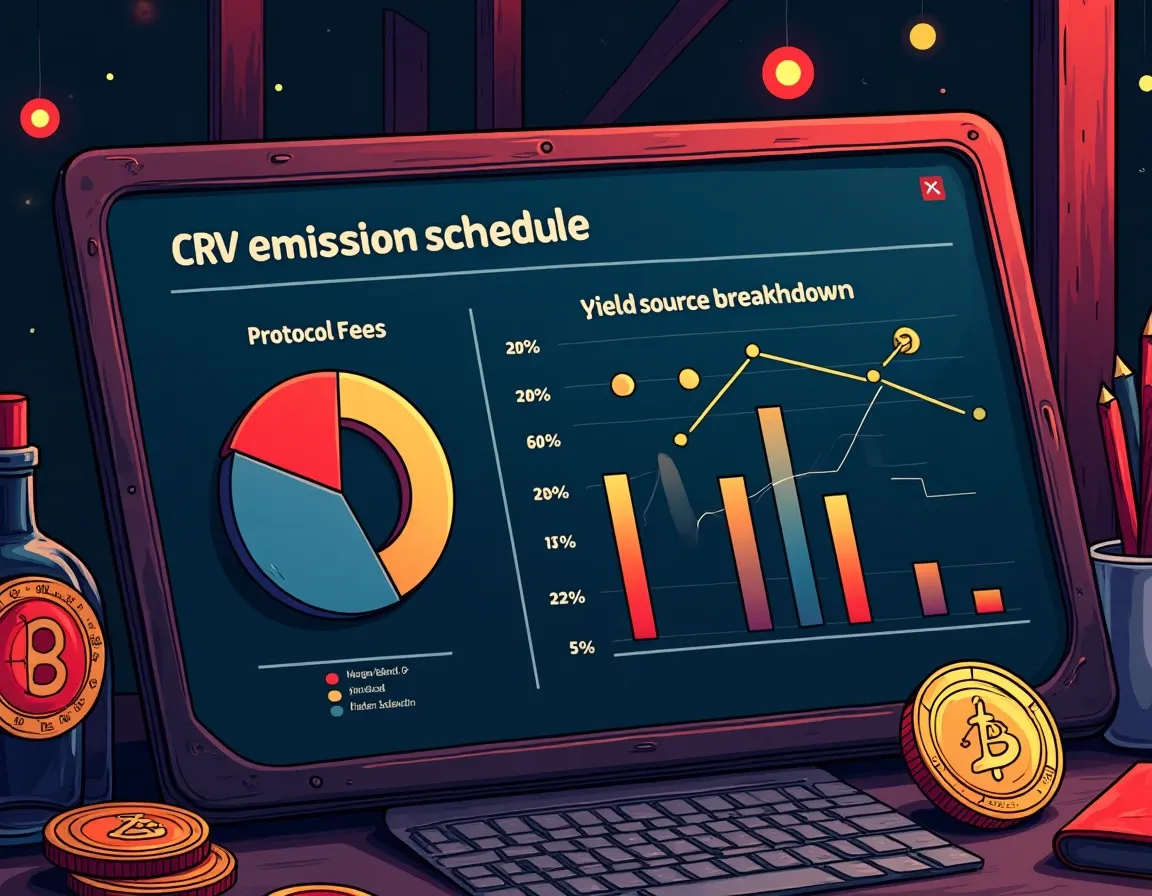
Navigate to the Curve gauge for the USDC-RLUSD pool and examine the breakdown of yield sources. Compare the fee-based APY with the emissions-based APY. On September 28, 2026, the largest reward-driven Curve stable pools were paying roughly 2% to 5% APY, with most of that yield coming from CRV and partner incentives. Fee-only stable pools on competing platforms generally paid under 1%. If the USDC-RLUSD pool’s 4.61% APY is heavily weighted toward emissions, you should expect that number to decline as CRV emissions decay or as governance reallocates gauge weights to other pools.
Emissions-based yield is not inherently unsafe, but it is inherently temporary. The eurozone’s peripheral sovereign debt in 2011 offered yields that reflected not the creditworthiness of the issuer but the market’s estimate of default probability. The yield was real until it was not. When Greece imposed capital controls in 2015, bondholders discovered that the advertised yield had been compensation for a risk they had not fully priced. The same dynamic applies to emissions-based DeFi yield. You are being compensated for dilution risk, not for providing a service the protocol cannot function without.
Step Four: Review Pool Parameters For Amplification And Fee Structure
The amplification coefficient is the parameter that determines how much slippage a trader experiences when swapping between pool assets. A higher A parameter produces tighter pricing near parity, which benefits traders but exposes liquidity providers to faster losses if one token depegs.
Locate the pool’s A parameter via the Curve pool contract on Etherscan or through the Curve UI. StableSwap-NG pools typically use A values between 200 and 2,000 for stablecoin pairs. A conservative pool targeting long-term stability will use a lower A parameter, accepting slightly higher slippage in exchange for reduced depeg risk. An aggressive pool optimizing for volume will use a higher A parameter, which attracts traders but increases the speed at which LPs are converted into the depegging asset during stress events.
The fee structure also matters. Curve allows pool deployers to set custom fee parameters, including a mid-fee for trades near parity and an out-fee for trades away from parity. If the pool charges a 0.04% fee on balanced swaps, that fee must generate enough volume to justify the liquidity you are providing. A $61.3 million pool charging 0.04% needs to process roughly $28 million in daily volume to generate a 1.67% annualized return from fees alone. Check the pool’s 7-day and 30-day volume on DefiLlama to determine whether organic volume supports the advertised yield or whether emissions are doing most of the work.
Step Five: Test For Depeg Detection And Exit Liquidity
The final vetting step is to confirm that you can exit the position if early warning signs of depeg or liquidity stress appear. Curve liquidity positions are not instantly liquid. If the pool experiences a rush of one-sided selling, you may find that withdrawing your liquidity converts a significant portion of your position into the depegging asset.
Simulate a withdrawal using the Curve UI’s preview function. Input a withdrawal amount equal to 10% of your intended position size and observe the expected token ratio you would receive. If the preview shows you receiving 55% RLUSD and 45% USDC despite the pool holding a 48-52 ratio, that imbalance reflects real-time selling pressure. It means other LPs are already exiting or that traders are aggressively swapping RLUSD for USDC.
Bayesian online changepoint detection models have demonstrated that Curve’s largest StableSwap pools exhibit detectable price and volume anomalies several hours before a full depeg event. Those models are not accessible to retail LPs, but the underlying signal is. If the USDC-RLUSD pool price deviates by more than 0.3% from parity for longer than one hour, you are observing the early stages of either a temporary liquidity shock or a structural break. The prudent response is to reduce position size, not to wait for confirmation.
The Cyprus banking crisis of 2013 imposed capital controls with less than 48 hours’ notice. Depositors who waited for official confirmation of insolvency found their accounts frozen. The signal that mattered was not the government’s announcement but the line of people outside the bank three days earlier. DeFi depegs follow the same structure. The disclosure comes after the mechanism has already broken.
Common Failure Modes And What They Look Like In Practice
The most common failure mode for new Curve pools is incentive exhaustion. A protocol launches with aggressive CRV gauge votes or partner incentives to attract liquidity. LPs deploy capital, the APY looks sustainable for two months, and then the incentives are redirected to a newer pool or a competing protocol. The fee-based yield that remains is 0.8%, and you discover that gas costs to migrate exceed the incremental return from staying.
The second failure mode is depeg contagion. RLUSD has not depegged in its one-year history, but that track record reflects one year of relatively stable Treasury yields and banking system liquidity. The structural test comes when short-term funding markets experience stress or when a custody bank faces solvency concerns. USDC depegged in March 2023 when Silicon Valley Bank failed and Circle disclosed $3.3 billion in uninsured deposits. The depeg lasted 48 hours, but Curve LPs in USDC pairs spent those 48 hours watching their positions convert into USDC at prices as low as $0.87. The pool did what it was designed to do. It provided liquidity to traders exiting USDC. The cost was borne by liquidity providers who had assumed that USDC depeg risk was functionally zero.
The third failure mode is smart contract risk. Curve has experienced one major exploit since its 2020 launch, losing over $60 million in a reentrancy attack in July 2023. The protocol reimbursed affected users, but the reimbursement process took months, and LPs who exited immediately after the exploit locked in losses. More than $600 million was lost to DeFi smart contract exploits in early 2026. Curve’s operational maturity and transparency about prior incidents reduce but do not eliminate that risk.
The failure mode specific to RLUSD is liquidity fragmentation. RLUSD’s total supply is $2.5 billion, compared with USDC’s $72.7 billion. That smaller supply base means fewer integration partners, fewer trading pairs, and less organic volume. If a competing stablecoin captures more integration mindshare or if regulatory changes make a different stablecoin more attractive to institutions, RLUSD liquidity will decline, the Curve pool will see reduced volume, and the fee-based APY will compress. You will not lose your principal, but you will be holding a position that no longer generates competitive yield and that costs $40 in gas to exit.
What To Do Next
If the USDC-RLUSD pool passes the 72-hour vetting checklist, allocate no more than 10% of your stablecoin holdings in the first deployment. Monitor the pool daily for the first two weeks, then weekly thereafter. Set calendar reminders to review the reserve attestation every 30 days and to compare the pool’s APY against competing stablecoin income opportunities.
If any of the following conditions emerge, reduce your position immediately: the pool balance shifts by more than 10 percentage points in a single week, the reserve attestation is delayed or shows undercollateralization, the APY drops by more than 2 percentage points without a corresponding decline in overall Curve yields, or the RLUSD price deviates from parity by more than 0.5% for longer than four hours.
For pools that fail any stage of the vetting process, the correct response is not to reduce position size but to skip the allocation entirely. The opportunity cost of missing a 4.61% yield on a portion of your stablecoins is negligible. The cost of allocating into a pool that depegs or that traps your liquidity during a stress event is the loss of principal. The mathematics do not favor taking marginal risks for marginal returns.
The Takeaway
A 4.61% yield on a new Curve pool is compensation for the specific risks of custody failure, depeg contagion, smart contract exploit, and incentive exhaustion. Those risks are quantifiable and manageable if you vet the pool systematically within the first 72 hours of deployment. The vetting process requires checking token contract verification, reviewing reserve attestations, assessing pool balance and parameter settings, identifying the actual source of yield, and confirming exit liquidity under stress conditions. RLUSD’s one-year track record and BNY Mellon custody structure place it in the same risk tier as other institutionally-backed stablecoins, but the pool’s smaller total supply and dependence on emissions-based yield create structural risks that compound over time. The eurozone’s peripheral debt crisis demonstrated that advertised yields often reflect unacknowledged risks rather than sustainable returns. The same principle applies to DeFi. The yield you see today will still be available in six months only if the mechanism producing it remains solvent, only if the liquidity remains concentrated, and only if the incentives remain aligned. That alignment is your responsibility to verify before you allocate.
Frequently Asked Questions
How long should I wait before deploying capital into a newly launched Curve pool?
Wait a minimum of 72 hours after pool deployment to complete contract verification, reserve attestation review, and liquidity balance assessment. Allocate no more than 10% of your stablecoin holdings in the first deployment, then monitor daily for two weeks. Pools younger than 30 days lack sufficient trading history to validate whether advertised yields reflect sustainable fee generation or temporary emissions. The first month reveals whether organic volume supports the pool or whether early liquidity is chasing unsustainable incentives.
What is the difference between fee-based yield and emissions-based yield in Curve pools?
Fee-based yield comes from trading fees charged on swaps, split between liquidity providers and veCRV holders. This yield reflects actual protocol revenue and tends to remain stable if trading volume persists. Emissions-based yield comes from CRV token distributions or partner protocol incentives. These emissions create constant sell pressure and typically decline as governance reallocates rewards or as token prices fall. A pool advertising 4.6% APY with 3.8% from emissions and 0.8% from fees will likely compress to under 1% once incentives redirect elsewhere.
How do I know if a Curve pool is properly balanced or experiencing selling pressure?
A balanced stablecoin pool should hold roughly equal values of each constituent token, typically within a 45-55% range. Check the pool composition on the Curve UI or via Etherscan. If the ratio shifts from 50-50 to 60-40 over three days, the market is expressing a preference for one asset over the other, signaling potential depeg risk or reduced confidence in one token’s peg maintenance. Use the withdrawal preview function to simulate exit conditions. If you would receive significantly more of one token than the pool’s stated balance, selling pressure is already active.
What are the early warning signs that a Curve pool is about to experience a depeg event?
Monitor for price deviation from parity exceeding 0.3% for more than one hour, pool balance shifting by more than 10 percentage points in a week, or withdrawal previews showing significantly skewed token ratios. Delayed or missing reserve attestations from the stablecoin issuer signal custody or collateralization stress. Bayesian detection models show that volume and price anomalies appear several hours before full depeg events on major Curve pools. The prudent response is position reduction when these signals emerge, not waiting for public confirmation of structural failure.
Is it safer to provide liquidity to a new Curve pool with a higher or lower amplification coefficient?
A lower amplification coefficient produces higher slippage but reduces the speed at which your position converts into a depegging asset during stress events. A higher A parameter attracts more trading volume by offering tighter pricing near parity, but it exposes liquidity providers to faster losses if one token depegs. Conservative pools targeting long-term stability use A values between 200 and 500 for stablecoin pairs. Aggressive pools optimizing for volume use A values above 1,000, which increases depeg conversion risk. Match the A parameter to your risk tolerance and exit strategy.
The Weekly Yield Report
You have just examined the 72-hour vetting protocol for evaluating new Curve pools using real USDC-RLUSD data. Those pool parameters and incentive structures will look different next month.
Every Thursday: where crypto yield actually is – stablecoins, liquid staking and DeFi lending, with the risk named next to the rate and what changed since last week.
Free. No trade calls, no allocations, no hype. Unsubscribe in one
click.