

 By
By USDC Stablecoin Sponsors Chelsea FC: Premier League First
The Deal
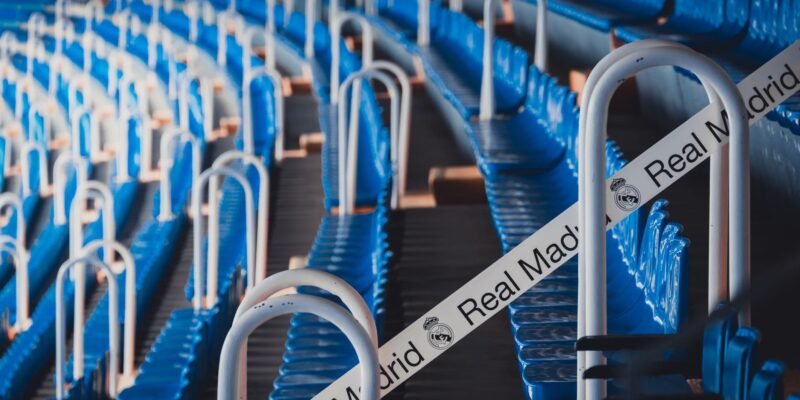
Circle Internet Group has signed as Chelsea Football Club’s official front-of-shirt sponsor. The deal puts USDC branding on the Men’s, Women’s, and Academy shirts starting this Sunday when Chelsea hosts Brighton at Stamford Bridge in the Premier League season opener. Chelsea had been targeting 65 million pounds per year ($88.3 million) for the sponsorship slot, which has been vacant for three years.
This is the first time a cryptocurrency financial services firm’s branding will appear as a principal shirt sponsor in the Premier League.
Crypto sponsorships retreated after the 2022 market downturn. Crypto.com spent $700 million on a 20-year naming rights deal for the former Staples Center. Tezos reportedly committed 20 million pounds per year for Manchester United’s training kit. Circle is choosing visibility at a moment when the stablecoin market has stabilized. Total U.S. dollar stablecoin supply stands at $292.2 billion. Tether’s USDT accounts for $183.3 billion (62.7%) and Circle’s USDC accounts for $73.9 billion (25.3%). USDC added $1 billion over the past week.
The choice of football over other sports channels matters because of where football eyeballs are. The Premier League broadcasts globally. The meaningful stablecoin usage geographies are not California or New York. They are Argentina, Turkey, Nigeria, Vietnam, Brazil, and the Philippines. In Argentina, people convert peso salaries into USDT or USDC the day they’re paid. In Nigeria, stablecoins route cross-border payments that the banking system does not process reliably. In Turkey, the lira’s depreciation has made holding dollar-denominated stablecoins a rational choice for people who do not have access to foreign exchange markets.
Broadcast Reach and User Geographies Overlap
Chelsea’s shirt appears in markets where stablecoin adoption is already happening. The Premier League audience in Argentina, Nigeria, Turkey, and Brazil is substantial. Circle is not advertising to the U.S. retail investor. Circle is advertising in places where USDC competes directly with local currency as a store of value and medium of exchange.
What Stablecoin Issuers Need
Legitimacy. Regulatory acceptance. Brand recognition that moves them out of the “crypto is for criminals” narrative and into “this is a financial service.”
Tether submitted a binding all-cash offer in December 2025 to acquire Exor’s majority stake in Italian club Juventus. The pattern is the same. Stablecoin issuers need mainstream visibility in geographies that matter for adoption. Juventus plays in Serie A. The Italian regulatory environment is part of the MiCA framework. Tether wants European legitimacy. Circle wants global reach.
Not Hype, Not Retail Signups
This is not a play for American retail investors to download Coinbase and buy USDC. This is brand recognition in markets where people already use stablecoins but may not distinguish between issuers. In Lagos, in Buenos Aires, in Istanbul, the user is moving value. Whether they pick USDT or USDC depends partly on availability, partly on trust, partly on which stablecoin their local exchange lists. Circle wants “USDC” to be a recognized brand when that choice gets made.
Crypto sponsorships are returning, but they are different. The 2021 wave was exchange brands chasing U.S. retail signups. FTX spent aggressively. Crypto.com spent aggressively. Those deals were about user acquisition metrics. This wave is infrastructure brands chasing legitimacy and regulatory goodwill. Circle is not trying to get you to trade. Circle is trying to get regulators, banks, and users in emerging markets to see USDC as a credible financial product.
Football sponsorships work for this. Football is not niche. Football does not carry the libertarian signaling that alienates regulators. Football is entertainment, civic pride, and global culture. Putting USDC on a Chelsea shirt does not look like a pump-and-dump project trying to extract retail liquidity. It looks like a financial services company spending money the way financial services companies spend money.
What This Does Not Change
Stablecoin market share. Tether dominates and will continue to dominate because Tether routes more trading pairs, more liquidity, and more off-ramp volume. USDC is smaller. USDC is more compliant. USDC has regulatory approvals Tether does not have. The Chelsea sponsorship will not close that gap. What it might do is make USDC the default choice in specific corridors where regulatory clarity matters. In Europe, under MiCA, USDC has an advantage. In the U.S., Circle is positioning for clearer stablecoin regulation. The shirt sponsorship is part of that positioning.
The Takeaway
Circle is advertising to markets where stablecoins are already functional currency substitutes. The choice to sponsor a Premier League club reflects where real adoption is happening. Argentina’s peso volatility, Nigeria’s naira redesign, Turkey’s lira crisis. These are the conditions that make stablecoins useful.
The sponsorship is not about convincing people to use crypto. The sponsorship is about convincing people who already use stablecoins that USDC is the issuer they should trust. That is a narrower, more realistic goal than the broad adoption promises of 2021. It is also a goal that matches where the product-market fit actually exists. Not in San Francisco. In Istanbul, Lagos, and Buenos Aires.
Frequently Asked Questions
Circle is using Premier League visibility to build USDC brand recognition in markets where stablecoin adoption is already happening. The Premier League broadcasts globally, reaching audiences in Argentina, Turkey, Nigeria, and other high-inflation economies where people already use stablecoins as currency substitutes. This is not about U.S. retail signups. This is about legitimacy and trust in geographies where USDC competes with local currency.
Chelsea had been targeting 65 million pounds per year, equivalent to approximately $88.3 million, for the front-of-shirt sponsorship. The slot had been vacant for three years. Circle’s deal covers Men’s, Women’s, and Academy shirts starting from the 2026-27 season, debuting Sunday August 31, 2026 when Chelsea hosts Brighton at Stamford Bridge.
Probably not in the short term. Tether’s USDT dominates with $183.3 billion in supply compared to USDC’s $73.9 billion. Tether routes more trading pairs and liquidity. What the sponsorship might do is make USDC the preferred choice in specific corridors where regulatory compliance matters, particularly in Europe under MiCA and in the U.S. as stablecoin regulation clarifies. Circle is positioning for trust, not volume.
This is the first time a cryptocurrency financial services firm’s branding will appear as the principal shirt sponsor of a Premier League club. Previous crypto sponsorships existed in other forms, including training kit deals and regional partnerships, but Circle’s deal with Chelsea marks the first front-of-shirt placement in England’s top football division for a stablecoin issuer.
Why does Circle care about emerging market visibility?
Emerging markets are where stablecoins have actual product-market fit. In Argentina, Turkey, Nigeria, and similar economies, stablecoins function as currency substitutes during inflation or capital controls. Circle wants USDC to be a recognized, trusted brand when users in these markets choose which stablecoin to hold. Football reaches these audiences better than U.S.-focused advertising. Circle is not selling crypto as speculation. Circle is selling USDC as infrastructure.